

Introduction:
Sabai grass, scientifically known as Eulaliopsis binata, is a perennial grass native to the Indian subcontinent. This eco-friendly and sustainable resource has been a vital part of traditional crafts for centuries, contributing to the rich cultural heritage of India. This article explores the uses of sabai grass, the variety of products and crafts made from it, and its geographical availability in India.
Geographical Availability:
Sabai grass is predominantly found in the eastern and central regions of India. States like Odisha, Jharkhand, Chhattisgarh, and West Bengal are known for their abundant growth of sabai grass. The grass thrives in well-drained soil and is often found in areas with a tropical climate. The availability of sabai grass in these regions has led to the development of local economies centered around its cultivation and utilization.
Uses of Sabai Grass:
- Traditional Handicrafts: One of the primary uses of sabai grass lies in the creation of traditional handicrafts. Skilled artisans hand-weave the grass into intricate patterns to produce a variety of products. These crafts are not only aesthetically pleasing but also eco-friendly, as they involve minimal processing and rely on the natural properties of the grass.
- Rope Making: Sabai grass is known for its strength and durability, making it an ideal material for rope making. The ropes crafted from sabai grass find applications in various sectors, including agriculture, construction, and even household use.
- Mat Weaving: Mats woven from sabai grass are popular for their comfort and breathability. These mats are commonly used in rural households for sitting and sleeping purposes. Additionally, they are utilized in the packaging industry for creating eco-friendly packaging solutions.
- Baskets and Containers: Artisans skillfully weave sabai grass to create baskets and containers of different shapes and sizes. These items serve various purposes, from storage to decorative pieces, and are highly sought after for their natural and rustic appeal.
- Hats and Accessories: Sabai grass is also employed in the creation of hats, bags, and other accessories. The lightweight and sturdy nature of the grass make these products popular for everyday use, especially in regions where traditional crafts hold cultural significance.
Variety of Products and Crafts:
- Sabai Grass Furniture: Artisans transform sabai grass into furniture items such as chairs, tables, and stools. These pieces are not only functional but also contribute to a sustainable and natural aesthetic in home decor.
- Sabai Grass Toys: The versatility of sabai grass extends to the creation of toys. Traditional Indian toys like dolls and miniature animals are often crafted using this eco-friendly material.
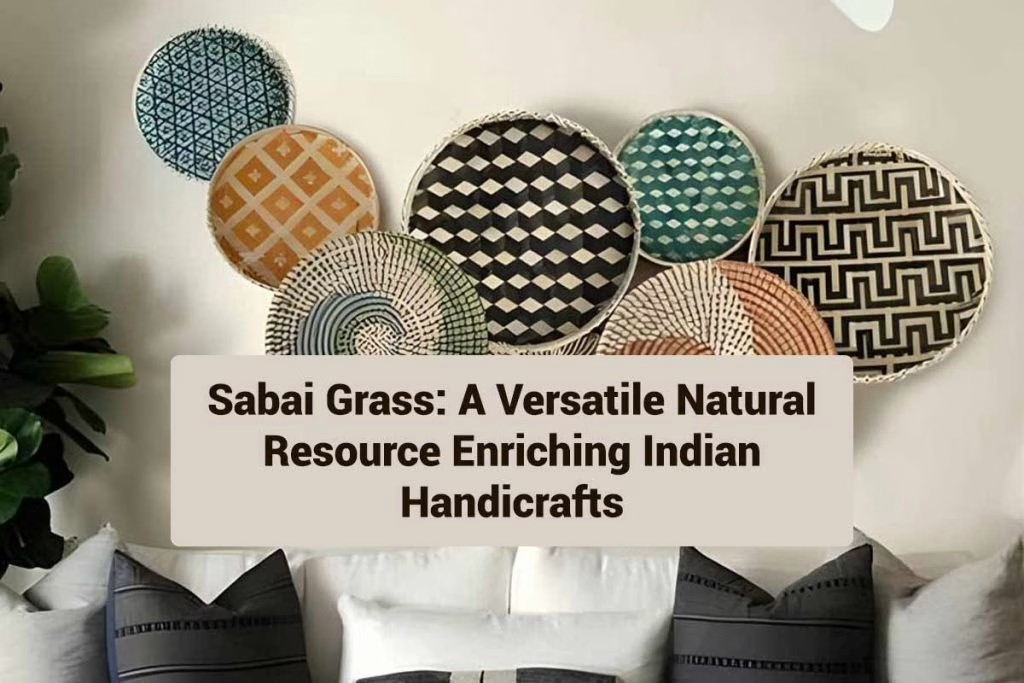
- Sabai Grass Decor Items: Wall hangings, lampshades, and decorative pieces are crafted using sabai grass to add a touch of traditional elegance to homes. These items showcase the intricate weaving skills of the artisans.
- Sabai Grass Brushes and Brooms: The stiff and resilient nature of sabai grass makes it suitable for the production of brushes and brooms. These eco-friendly alternatives find applications in daily household chores.
Conclusion:
Sabai grass stands as a testament to the rich tradition of Indian handicrafts and the sustainable use of natural resources. With its wide array of applications, from traditional crafts to modern accessories, sabai grass continues to contribute to the socio-economic development of regions where it is abundantly available. Embracing the use of sabai grass not only supports local artisans but also promotes environmentally friendly alternatives in a world increasingly conscious of sustainable living.